Laser cutting is one of the most exciting tools in modern manufacturing and product design. It slices, engraves, and shapes with stunning precision. But here is the real truth, not every material plays nice with a laser beam. Some cut cleanly, others catch fire, and a few release toxic fumes. Getting the right material choice makes all the difference, and that is where a good laser cutting service Abu Dhabi truly shines.
Wood:
Wood is one of the best materials for laser cutting. It cuts cleanly, engraves beautifully, and leaves crisp edges. Thin plywood and MDF are popular for signage, decorative panels, and custom gifts. The laser cuts each piece with great accuracy. Wood rich in resin or treated with chemicals can produce harmful smoke, so always pick clean, untreated pieces for safe results.
Acrylic:
Acrylic is a laser cutting superstar. It melts cleanly under the beam, leaving smooth, polished edges that look professional right away. It works perfectly for signs, decorative pieces, and custom frames. Colored acrylic adds a bold visual punch to any design. Cast acrylic tends to give better results compared to extruded acrylic, so keep that in mind when picking your sheet.
Leather and fabric:
Laser cutting works wonderfully on leather and fabric. It creates clean, sealed edges that stop fraying in cloth. Custom patches, bags, clothing pieces, and upholstery details all come out sharp and precise. Genuine leather gives the best results, while synthetic leather can release unpleasant fumes during cutting.
Glass:
Glass is a tricky one. A laser beam does not cut glass cleanly because heat causes it to crack rather than slice. However, it can engrave the surface beautifully, creating frosted and detailed designs. For actual cutting, a different tool is the better choice.
Metal:
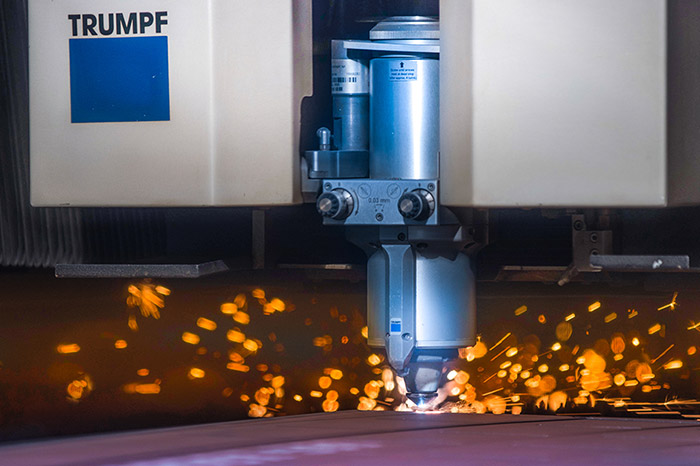
Metal can be laser cut, but it calls for a high powered fiber laser rather than a standard CO2 laser. Thin sheets of steel, aluminum, and copper can be processed with great precision on the right machine. Thicker metals call for slower speeds and higher power. Standard laser cutters will struggle with metal.
PVC and chlorinated plastics:
This is the one category to avoid completely. PVC and plastics containing chlorine release toxic fumes when cut by a laser. These fumes are harmful to people and can damage the machine as well. No matter how small the piece, cutting PVC is simply not worth the risk.