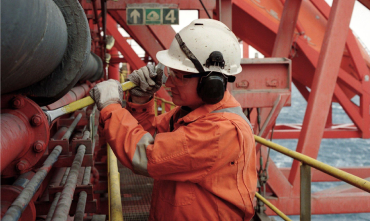
The ocean is beautiful but unforgiving. For the engineers who keep ships running, daily life means solving critical problems far from any help. When something breaks, there is no roadside service. Only skill and quick thinking can save the day. This is where trusted marine engineering services become a lifeline, turning difficulty into a controlled response.
Fixing engines in motion:
Large ships keep moving even when parts break. Fixing a heavy piston or a leaking pipe while the floor shakes is hard. Tools drop and oil spills while the ship rolls side to side. Engineers use their hands and minds to keep the vessel safe. Every fix must happen fast to keep the ship moving forward across the deep water.
Fighting rust and salt:
Salt water eats away at everything it touches. Metal stays under attack from the spray and the damp air. Keeping the hull and pipes clean takes constant work. Scraping away rust and painting metal occupies much of the day. Without this hard work, the ship would weaken and eventually fail.
Managing extreme heat:
Engine rooms get very hot during a long trip. The air stays thick and the sun beats down on the steel deck. Workers sweat while they check gauges and turn heavy valves. Staying cool is hard when the machines create so much warmth. This heat tests the body and the mind of every person working below the main deck.
Limited spare parts:
Stores on a ship hold only a few extra pieces. If a rare part breaks, the team must build a new one. Using a lathe or welding metal helps save the day. Making something work with what is available is a true skill that saves the ship.
Staying alert alone:
Waves look the same for weeks at a time. Staying focused on the gauges while the world stays quiet is a struggle. Night shifts are long and the moon provides the only light. Engineers must watch for small changes in sound or vibration. A small change could mean a big problem is coming soon for the whole crew.
Dealing with bad weather:
Storms bring tall waves that crash over the front. The engine room tilts sharply and everything slides. Holding on with one hand while working with the other is common. The ocean shows no mercy during a gale. Keeping the lights on and the propellers spinning during a storm is the biggest test for any engineering team.