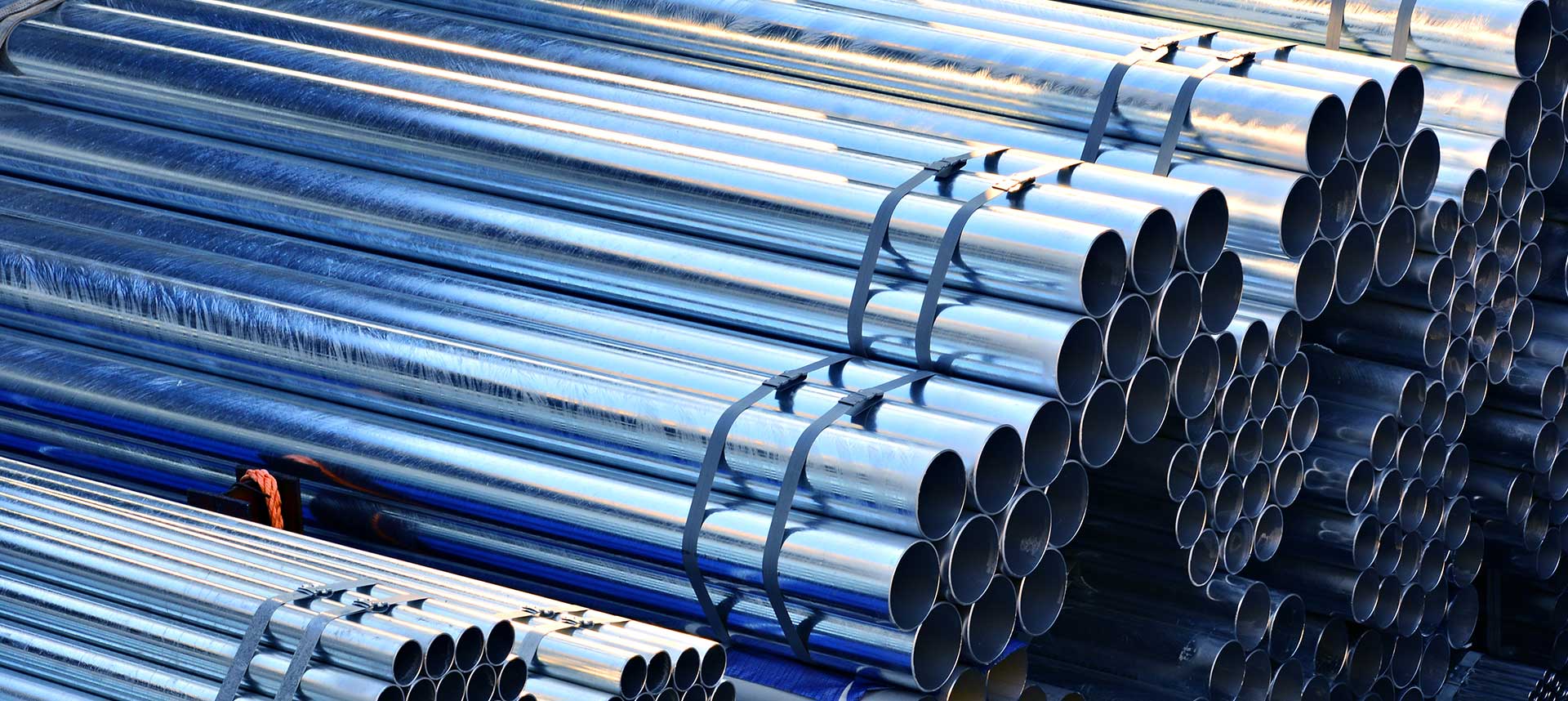
Stainless steel is an alloy containing at least 10.5% chromium, which provides resistance to corrosion and staining. Numerous grades of stainless steel exist, each offering distinct properties and applications. This article will examine the different grades of stainless steel to help you determine which one best fits your requirements when working with stainless steel pipe suppliers in UAE.
Austenitic steels for high rust resistance:
This group contains high levels of chromium and nickel. These metals stay non-magnetic and handle extreme heat very well. You see this grade in kitchen sinks and food tools because it stays clean and bright. It resists liquids that usually eat through other metals.
Ferritic options for cost savings:
This type has less nickel, which makes it cheaper to buy. It is magnetic and works well for car parts or indoor trim. While it handles heat, it might rust if left in salty air or heavy rain for too long. It is a solid choice for dry areas.
Martensitic grades for extra hardness:
When you need a sharp edge or a very hard surface, this category works best. It contains higher carbon levels compared to other types. Manufacturers use it for knives and surgical tools. It can be heat-treated to become very tough, though it resists rust less than the austenitic group.
Duplex alloys for double the strength:
This metal combines the best parts of two different types. It is very strong and resists cracking when under heavy stress. You see it used in chemical tanks or underwater pipes. It offers a great balance for jobs that need both strength and a long life.
Precipitation hardening for specialized jobs:
These grades gain strength through a special cooling process. They are very light but can hold a lot of weight. This makes them popular for building planes or high-end machine parts. They provide a unique mix of being easy to shape and very hard once finished.
Choosing based on your environment:
Always look at where the metal will live. If the area is near the ocean, pick a grade with molybdenum to stop salt damage. For indoor furniture, a basic grade works fine. Matching the metal to the local air and moisture levels helps your project last for decades.