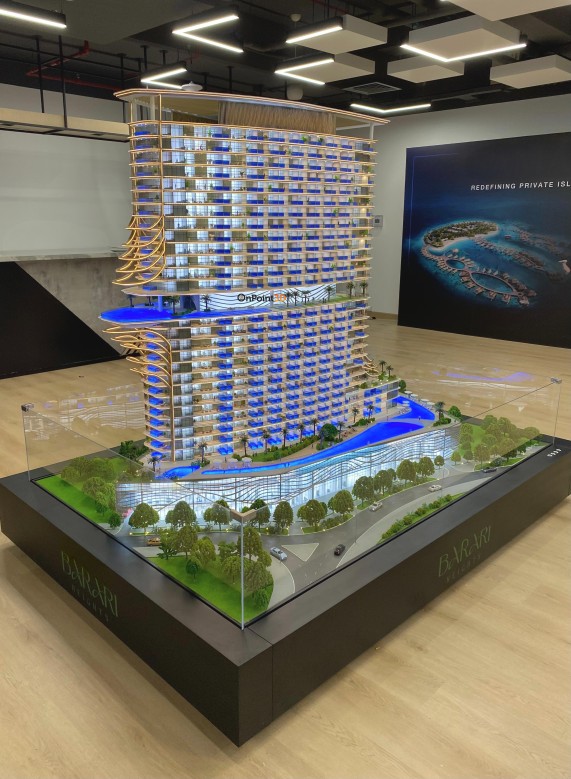
Software offers accuracy, but the human eye catches what code misses. Architectural model making is not a replacement for digital tools, but a counterbalance that brings tactile reasoning back to the design table. Physical model making Dubai holds a raw intelligence that no algorithm can replicate. This article explores why the model maker’s instinct frequently outshines the cold logic of software in architectural practice.
The unspoken dialogue of materials
A model maker reads materials like a musician reads a score. Each piece of foam, wood, or acrylic carries its own behavior. Software predicts, but the hand feels the subtle bend of a material before it breaks. This physical conversation reveals structural weaknesses and surprising strengths that a screen never shows.
Errors become opportunities
When software finds a clash, it stops and demands a correction. A model maker finds a misfit piece and sees a new design possibility. Mistakes in a physical model are not failures but forks in the road. A warped wall might suggest a new form, while a misplaced column could inspire a better structural rhythm. This flexible thinking turns potential problems into creative solutions, a process that pure computation finds difficult.
The power of immediate scale
Clicking zoom on a screen is an abstraction. Moving a physical model closer to the eyes changes the entire perception of a space. The model maker constantly adjusts the scale of focus, from the whole building down to a window detail. This instant physical shift in perspective provides a spatial awareness that a mouse click cannot match. It is a direct, visceral connection between the eye, the hand, and the projected reality.
Trusting the gut over the grid
Software works on logic and input parameters. The model maker works on an accumulated visual and tactile memory. After handling countless forms, a quiet certainty arises about what feels right. This instinct, born from physical practice, often produces more compelling and human-centric designs. The grid provides a structure, but the gut provides the soul. Architects respect this human calibration, which guides a design toward a genuine sense of place and purpose.
Collaboration in the physical space
A screen creates a barrier between people. A model placed on a table invites people to gather around it. Designers, clients, and builders can all point, touch, and sketch directly on the model. This shared physical activity creates a democratic dialogue that a digital presentation restricts. The model maker facilitates this immediate collaboration through the very nature of the model’s physical presence.