Heavy industrial shops traditionally create substantial emissions while cutting, bending, and shaping tough materials. Today, a quiet shift is occurring as these facilities adopt cleaner practices to meet global environmental goals. Finding eco-friendly solutions without losing operational speed remains a major focus for workshop managers.
Modern facilities now balance the heavy physical demands of production with clean practices. These active updates are reshaping the future of metal fabrication industries UAE.
Using cleaner heat sources:
Traditional furnaces rely heavily on fossil fuels to melt and shape raw materials. Modern shops are swapping out older systems for electric arc furnaces that run on clean grid electricity. This shift dramatically lowers emissions right at the production source. Some advanced facilities are even testing clean hydrogen options to eliminate greenhouse gases entirely from the heating stage.
Switching to renewable energy:
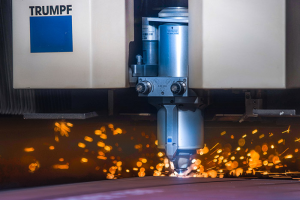
Shops use massive amounts of electricity to run lasers, presses, and welding stations every day. To cut down on fossil fuel reliance, companies are covering factory roofs with solar panels or buying wind energy directly from local grids. Operating heavy machinery with clean electricity keeps production lines moving while keeping the facility air clean and lowering total carbon output.
Maximizing scrap recycling:
Metal holds a unique advantage because it can be melted and reused countless times without losing its strength. Modern manufacturing shops are creating strict sorting setups to catch every leftover piece of steel or aluminum from the cutting tables. Melting down this scrap uses far less energy than extracting new raw materials from the earth, which creates a highly efficient circular production loop.
Upgrading to smart machinery:
Older fabrication equipment often uses unnecessary energy during idle times between production runs. New automated cutting and bending machines use smart sensors to optimize layout patterns and reduce scrap material. These updated systems also draw electricity only when actively processing material, which prevents unnecessary energy use during gaps in the daily schedule.
Adopting low emission welding:
Welding processes traditionally create localized emissions and require significant energy consumption. Workshops are adopting new low-emission welding techniques that use precise electrical arcs to join pieces faster with less heat waste. This specific update protects shop air quality while reducing the overall electrical load needed to complete heavy assembly work.